







Copy in clipboard...
New chapter for Shiraz’s bazaars
Behzad Moridi added that for him, bazaar takes priority over many other matters, because it represents the meeting point of life, lawful livelihood, and the living identity of the city, according to ISNA.
Moridi went on to detail the specific situation of the Ordu Bazaar, noting that approximately one-third of the restoration work in this key area had been delayed. He explained that many people had been asking what the fate of the remaining section would be. Fortunately, with the preparation of financial resources and the resolution of administrative obstacles, precise planning has now been carried out to finalize this project.
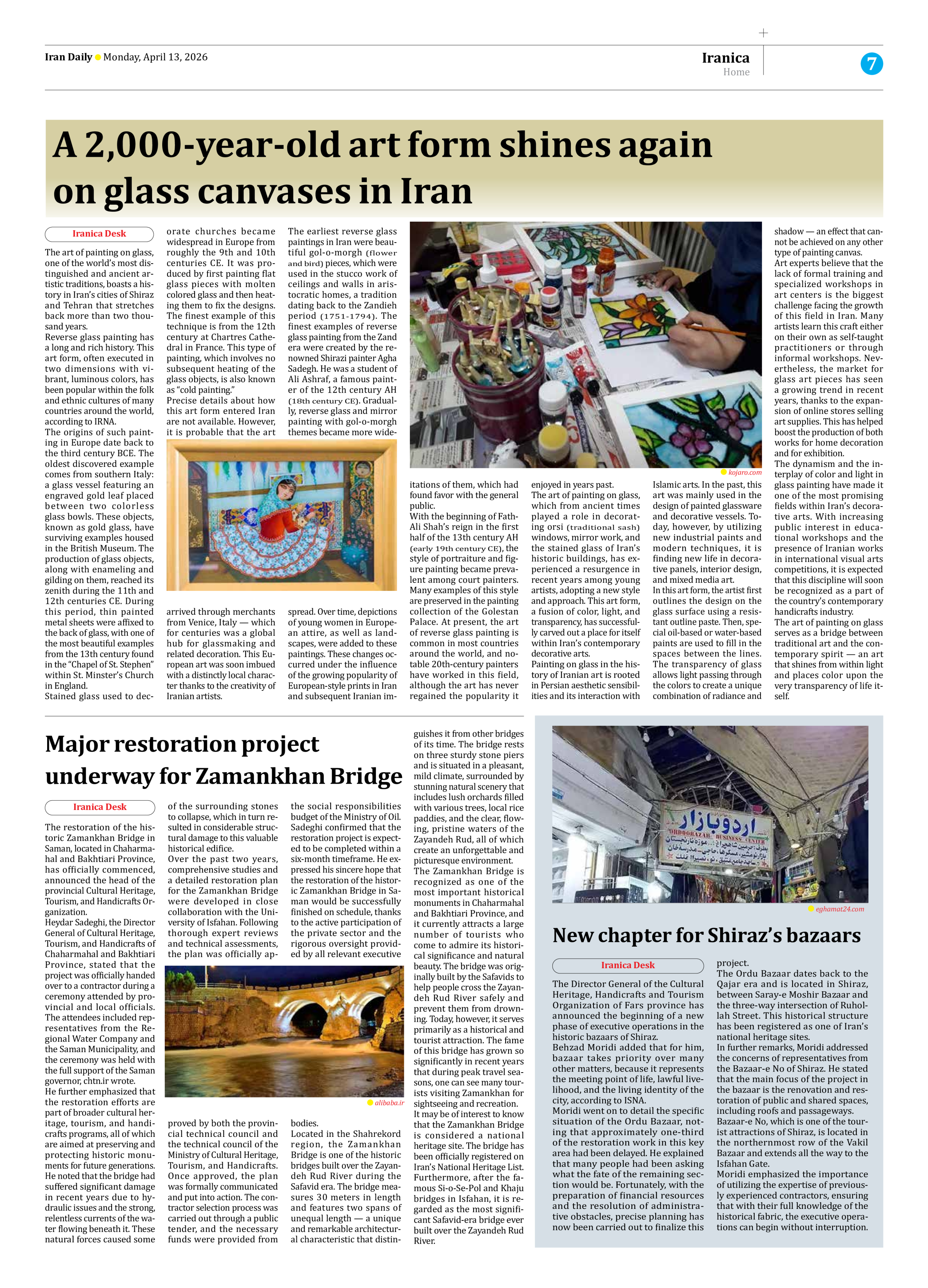
The Ordu Bazaar dates back to the Qajar era and is located in Shiraz, between Saray-e Moshir Bazaar and the three-way intersection of Ruhollah Street. This historical structure has been registered as one of Iran’s national heritage sites.
In further remarks, Moridi addressed the concerns of representatives from the Bazaar-e No of Shiraz. He stated that the main focus of the project in the bazaar is the renovation and restoration of public and shared spaces, including roofs and passageways.
Bazaar-e No, which is one of the tourist attractions of Shiraz, is located in the northernmost row of the Vakil Bazaar and extends all the way to the Isfahan Gate.
Moridi emphasized the importance of utilizing the expertise of previously experienced contractors, ensuring that with their full knowledge of the historical fabric, the executive operations can begin without interruption.