







Geopolitical factors driving oil price volatility
By Masoud Dashti Derakhshan
International affairs analyst
The recent surge in oil prices can be attributed to a complex interplay of geopolitical and economic factors, as highlighted in recent news. While some analysts focus on the direct impact of sanctions and supply restrictions, recent global events indicate that the oil market is influenced by a multitude of interconnected drivers.
Supply challenges and sanctions
The report from HFI Research, which suggests Iran has the
capacity to maintain oil production and storage for an additional two months, when contrasted with the US President’s claim of a three-day capability, underscores the complexity and uncertainty surrounding the actual volume of Iranian oil supply. This ambiguity, in itself, can influence prices. Furthermore, the news of 52 vessels, including 31 oil tankers, passing through the US blockade signifies attempts to circumvent sanctions and maintain export flows, indicating pressure on global supply.
Conversely, Kpler’s report noting only six vessels transiting the Strait of Hormuz — including two that are subject to US sanctions and one that is linked to Iran’s “shadow fleet” — suggests that the Strait of Hormuz continues to face restrictions, potentially impacting global oil supply.
Insecurity of maritime routes and transit disruptions
The Panama Canal Authority’s reference to unprecedented traffic of oil tankers and commercial ships on that same canal due to insecurity along other maritime routes emphasizes the impact of logistical disruptions on the oil market. Insecurity and increased maritime transit costs directly affect the landed cost of oil and, consequently, its global price.
Escalation of energy crisis and regional tensions
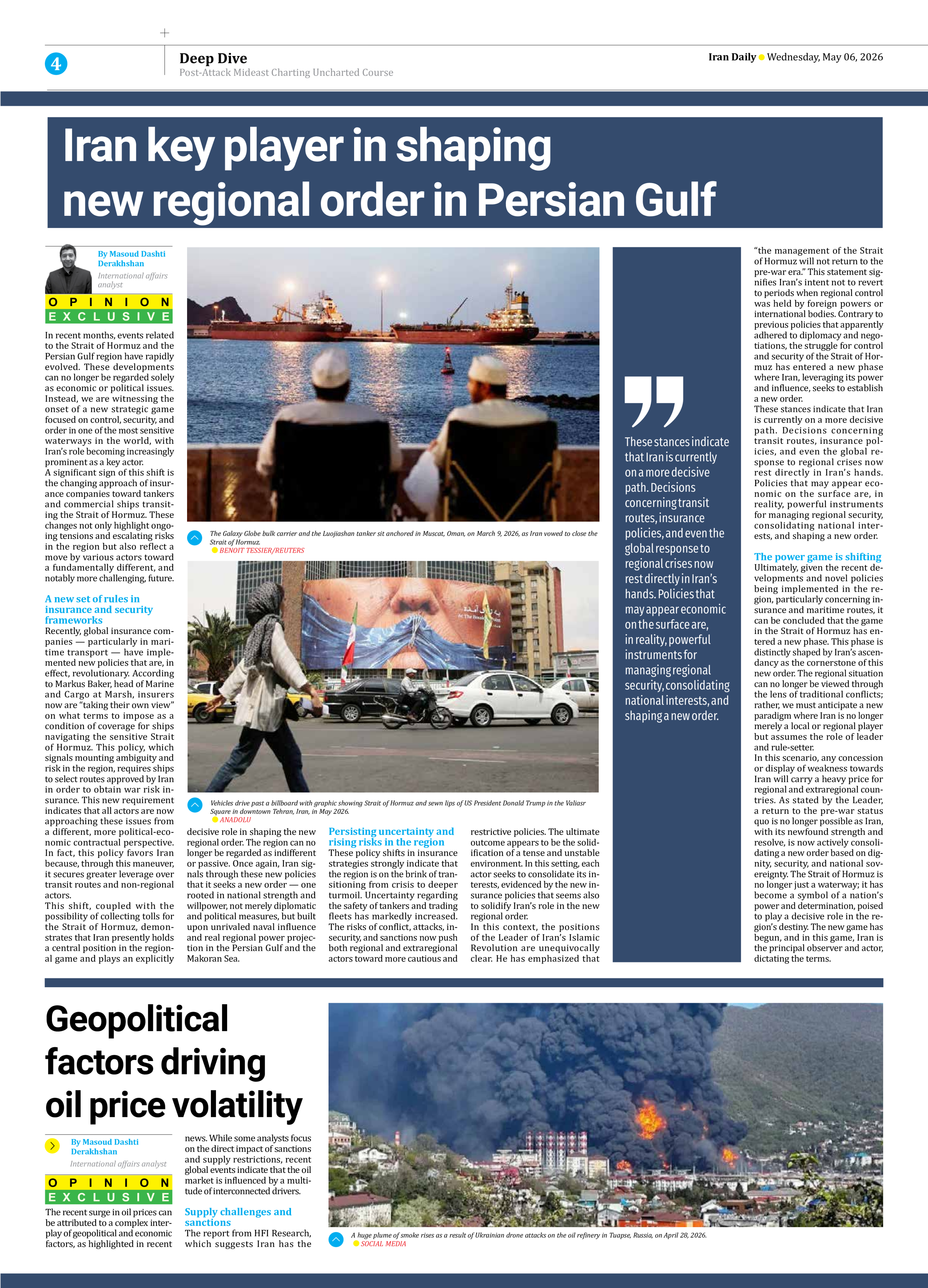
Russia’s accusation that Kyiv is exacerbating global oil shortages through attacks on oil storage facilities further validates the role of military conflicts in destabilizing energy markets. The attack on oil storage in Tuapse, intended for export operations, demonstrates the direct impact of military engagements on critical energy infrastructure and global supply.
Diplomatic reactions and economic threats
China’s threat to seize US assets in Beijing following sanctions on a Chinese refinery for its ties to Iran signals escalating geopolitical tensions and the potential for trade wars and sanctions to expand into other domains. Such diplomatic reactions and economic threats can undermine investor confidence and the stability of global markets, indirectly influencing oil prices.
In summary, the rise in oil prices is the consequence of a confluence of complex factors: supply constraints stemming from sanctions and geopolitical tensions, logistical disruptions in vital maritime routes, escalating military conflicts targeting energy infrastructure, and diplomatic responses that fuel global market instability. These elements have collectively contributed to the increase in global oil prices.