







Hamedan’s Sardashi Kebab brings tradition to life
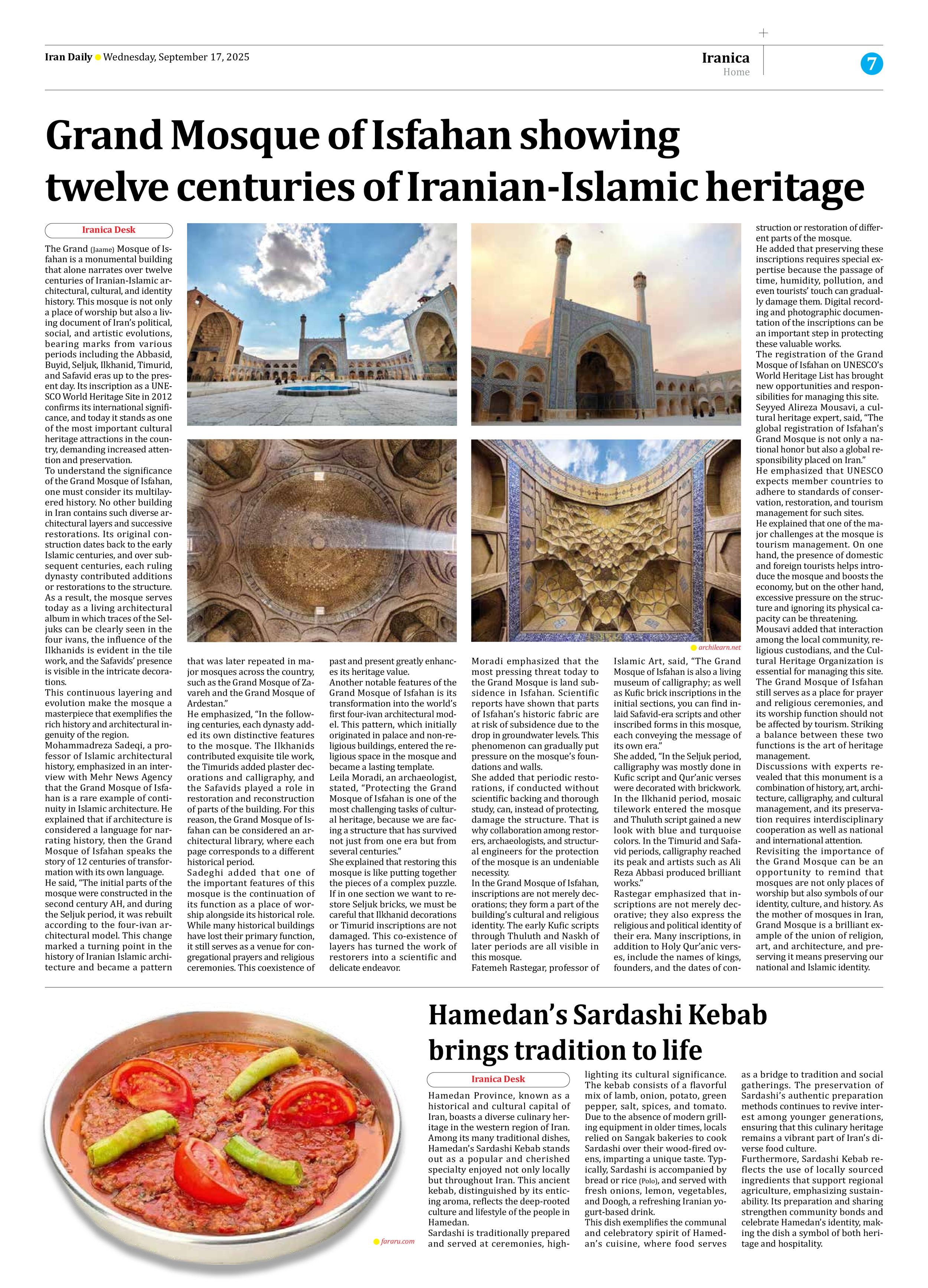
Hamedan Province, known as a historical and cultural capital of Iran, boasts a diverse culinary heritage in the western region of Iran. Among its many traditional dishes, Hamedan’s Sardashi Kebab stands out as a popular and cherished specialty enjoyed not only locally but throughout Iran. This ancient kebab, distinguished by its enticing aroma, reflects the deep-rooted culture and lifestyle of the people in Hamedan.
Sardashi is traditionally prepared and served at ceremonies, highlighting its cultural significance. The kebab consists of a flavorful mix of lamb, onion, potato, green pepper, salt, spices, and tomato. Due to the absence of modern grilling equipment in older times, locals relied on Sangak bakeries to cook Sardashi over their wood-fired ovens, imparting a unique taste. Typically, Sardashi is accompanied by bread or rice (Polo), and served with fresh onions, lemon, vegetables, and Doogh, a refreshing Iranian yogurt-based drink.
This dish exemplifies the communal and celebratory spirit of Hamedan’s cuisine, where food serves as a bridge to tradition and social gatherings. The preservation of Sardashi’s authentic preparation methods continues to revive interest among younger generations, ensuring that this culinary heritage remains a vibrant part of Iran’s diverse food culture.
Furthermore, Sardashi Kebab reflects the use of locally sourced ingredients that support regional agriculture, emphasizing sustainability. Its preparation and sharing strengthen community bonds and celebrate Hamedan’s identity, making the dish a symbol of both heritage and hospitality.