







Over one month ...
Page 1
Plans involving Kurdish armed groups based in Iraq’s Kurdistan region, expected to cross into western Iran early in the conflict, have failed to materialize. Iran, wary of their potential role, has carried out continuous strikes on their bases in northern Iraq, dealing significant blows. Meanwhile, regional allied groups have stepped in. Hezbollah, previously seen by Israel as weakened, has joined the conflict with force and unveiled new capabilities. Iraqi resistance attacks have led to NATO’s withdrawal from Iraq and the evacuation of US forces from Victoria Base to Jordan. These developments suggest earlier assumptions about weakening the Resistance Axis were off the mark.
Still, Iran’s actions largely fall within the framework of retaliatory deterrence. Its responses remain predictable, typically mirroring strikes on its own infrastructure. The main variation lies in geography, extending beyond Israel to US-aligned Arab states. There is little indication so far of preemptive or surprise operations. A shift toward more proactive deterrence, imposing heavier and less predictable costs, could potentially reshape the battlefield in Iran’s favor. While control of the Strait of Hormuz remains a key leverage point, inflicting higher human costs on adversaries could emerge as another decisive factor.
Where does the conflict head next? Now in the second month of the war, signs point to further escalation. Trump has claimed negotiations are underway, even presenting a 15-point draft proposal, while asserting Iran is pushing for talks. Tehran has denied this and outlined its own conditions for ending the war. Even if talks take place, the gap between the two sides appears too wide to bridge.
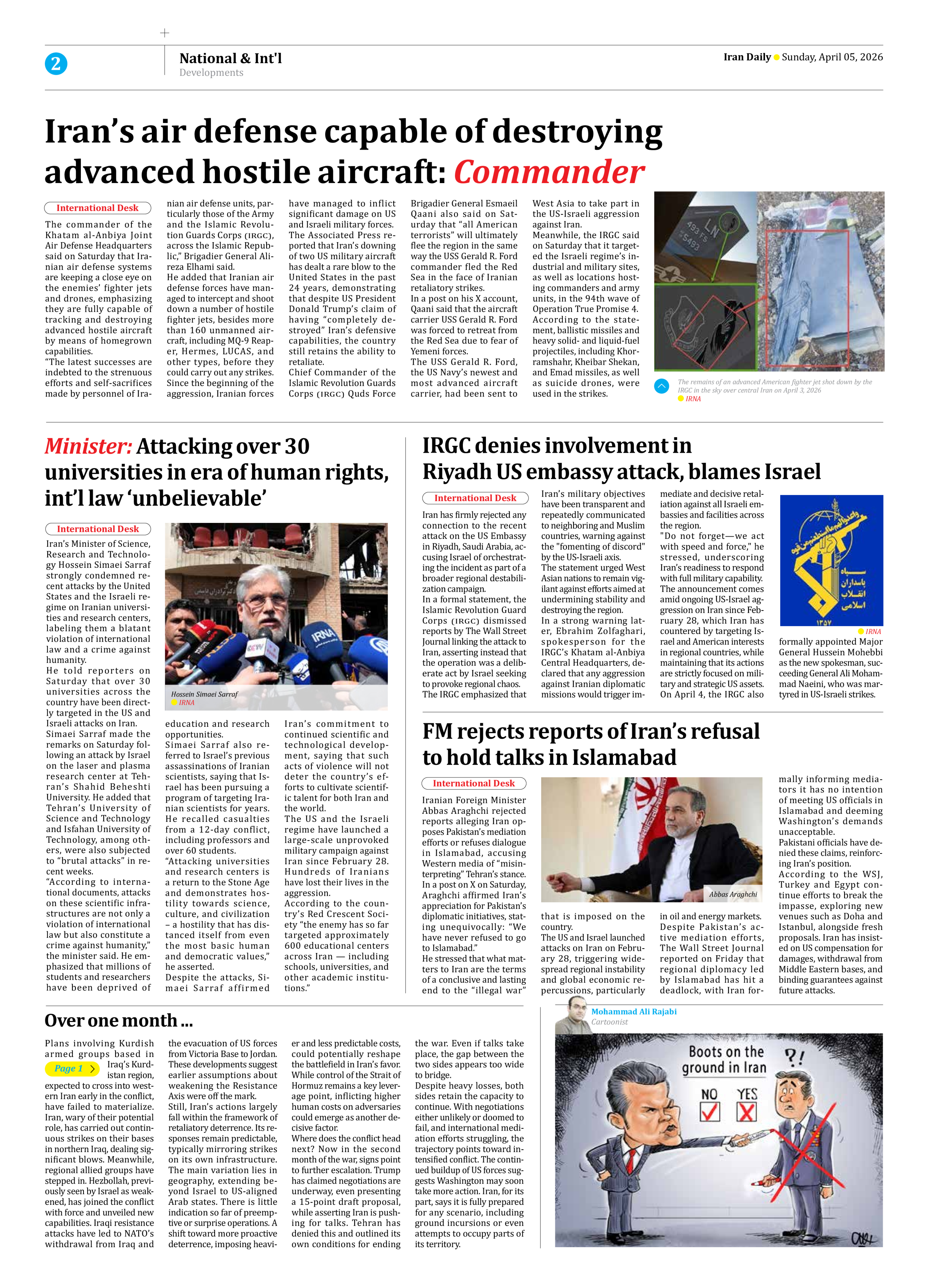
Despite heavy losses, both sides retain the capacity to continue. With negotiations either unlikely or doomed to fail, and international mediation efforts struggling, the trajectory points toward intensified conflict. The continued buildup of US forces suggests Washington may soon take more action. Iran, for its part, says it is fully prepared for any scenario, including ground incursions or even attempts to occupy parts of its territory.