







Copy in clipboard...
Magnificent tomb of Bozorgmehr Qaeni in South Khorasan Province
It is believed that the name Abuzar, was inspired by the first part of the name Buzarjomehr, the Arabic version of Bozorgmehr. Today, his descendants are known in Qaen as Nouri Abuzari. The tomb of Bozorgmehr has been listed as a national heritage site of Iran and is managed by the Cultural Heritage, Handicrafts, and Tourism Organization of Iran.
The tomb’s structure was built in the form of a Chalipa, or Persian cross, during the sixth and seventh centuries AH. Its construction utilized materials such as stone, plaster, brick, and Sarooj — a water-resistant mortar.
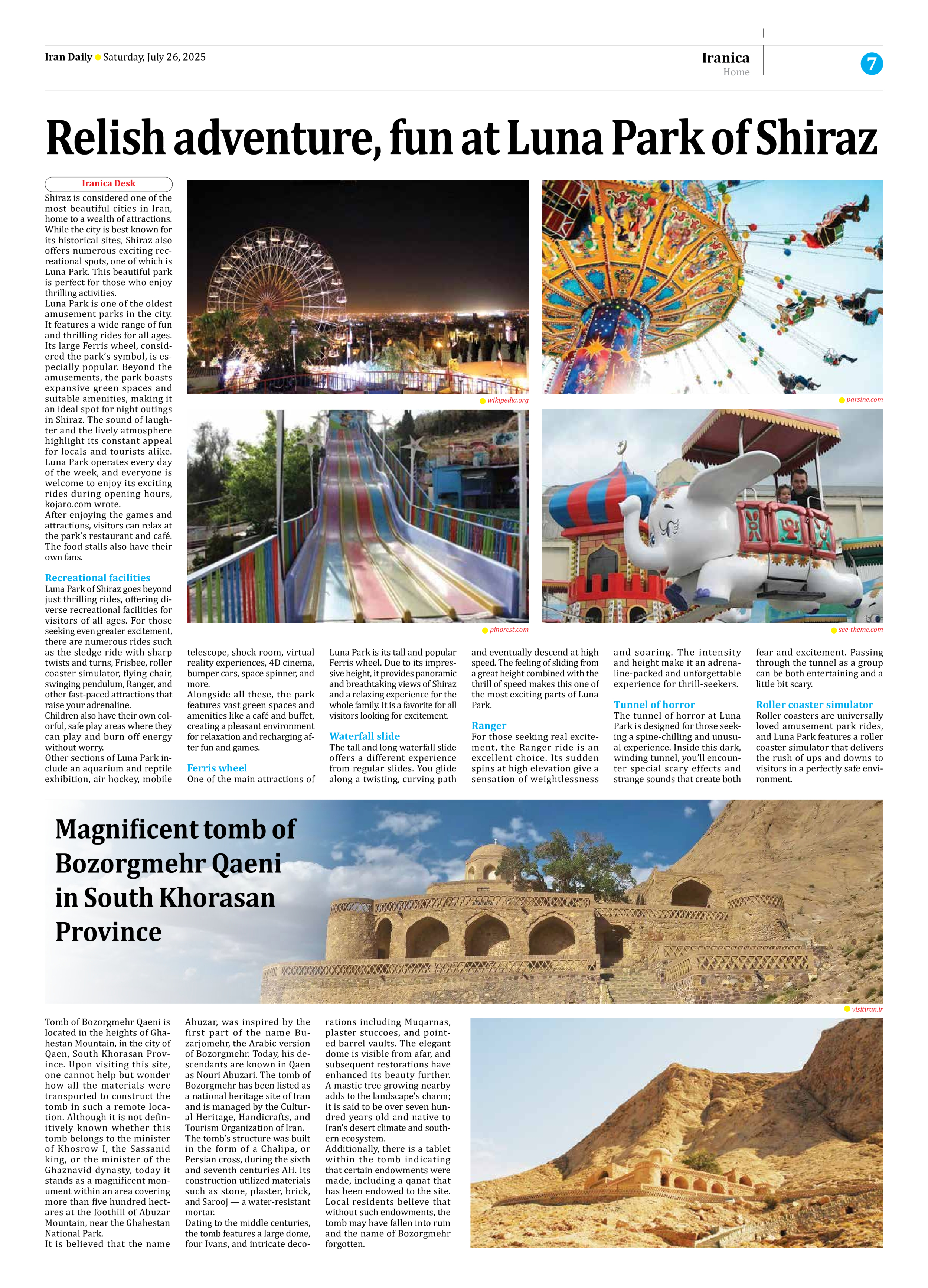
Dating to the middle centuries, the tomb features a large dome, four Ivans, and intricate decorations including Muqarnas, plaster stuccoes, and pointed barrel vaults. The elegant dome is visible from afar, and subsequent restorations have enhanced its beauty further. A mastic tree growing nearby adds to the landscape’s charm; it is said to be over seven hundred years old and native to Iran’s desert climate and southern ecosystem.
Additionally, there is a tablet within the tomb indicating that certain endowments were made, including a qanat that has been endowed to the site. Local residents believe that without such endowments, the tomb may have fallen into ruin and the name of Bozorgmehr forgotten.